


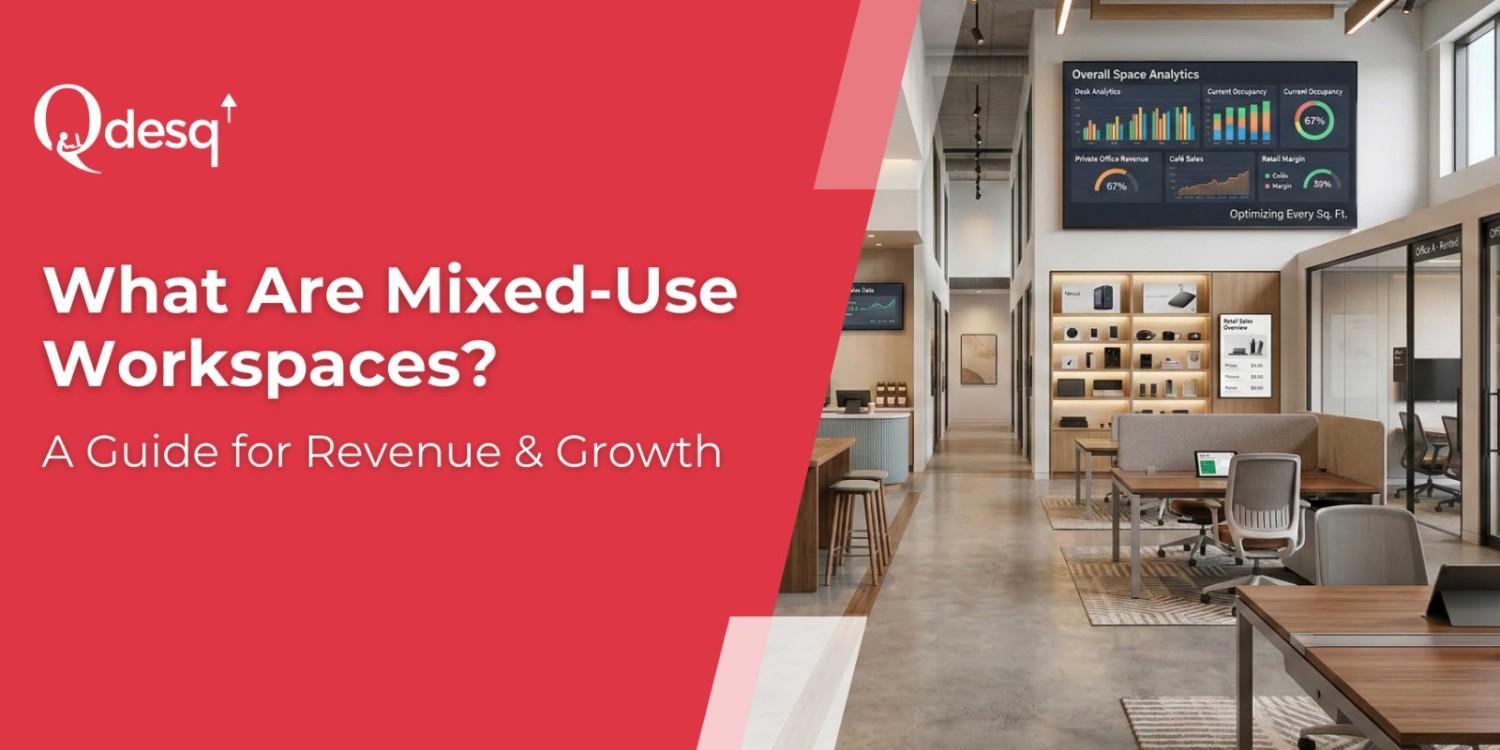
Have you ever walked into a building where you can live, shop, meet clients, work, attend a workshop, relax with a latte … all without stepping outside. That’s the essence of a mixed-use workspace, a place where work, life, retail, hospitality, wellness, and community blend seamlessly under one roof.
Traditionally, mixed-use developments were simple combinations: retail on the street level, offices above, and residences on top. But the game has changed. Today’s most dynamic mixed-use environments treat workspaces as a strategic core engine, not an afterthought.
Flexible offices and coworking hubs are rapidly transforming the fabric of these developments, driving daily foot traffic, community energy, and consistent revenue flows that retail alone can’t deliver.
This is especially true for the flexible workspace industry as hybrid work becomes the dominant global model and the twin forces of flexibility and experience shape tenant demand.
How Mixed-Use Workspaces Amplify Value Beyond Traditional Leasing
What’s powerful about integrating flexible workspaces into mixed-use assets is the economic diversity they create. In traditional real estate, every square foot earns once, typically through a long-term lease. Mixed-use flexible workspaces flip that logic entirely.
In a mixed-use flex model:
- A desk generates daily, weekly, and monthly revenue from multiple users.
- Meeting rooms are booked and monetised on an hourly basis.
- Event and community programming attracts external guests.
- Corporate partnerships bring enterprise-level revenue into smaller local developments.
This concept, known as revenue stacking, enables you to generate multiple income streams from the same physical area, thereby dramatically improving net operating income (NOI) stability and asset valuation.
In other words, mixed-use flex workspaces turn square footage into a dynamic economic engine rather than just a static rental unit.
The Core Revenue Pillars of Mixed-Use Workspaces
If you’re thinking of integrating or building a mixed-use workspace, forget the old idea of simply leasing desks. The smartest operators today use layered revenue strategies:
1. Recurring Memberships & Licensing
Long-term memberships provide reliable cash flow and community stability. Private office licenses, particularly in mixed-use buildings that attract a built-in residential population, often command premium pricing compared to traditional office rents.
2. Meeting & Event Rooms
Meeting rooms consistently deliver high-margin, per-use revenue. Smart pricing, such as dynamic, peak-hour rates, can boost utilisation and income.
3. Day Passes & Short-Term Access
Freelancers, travellers, and part-time workers love flexibility. If you offer day passes, weekly access, or hybrid packages, you can monetise space even as membership penetration continues to grow.
4. Ancillary Services & Add-Ons
Virtual offices, professional mail handling, IT support, premium coffee bars, concierge perks, and business support services can add 15–25% to total revenue.
5. Community Events & Workshops
Hosting specialised programming from workshops to soft-skill sessions creates brand engagement and often generates 5–15% of workspace revenue while building community value.
6. Partnerships & Sponsorships
Aligning with local businesses (fitness brands, cafés, wellness studios) not only enhances member experience but also opens up profit-sharing or sponsorship revenue streams.
How to Strategically Build a Mixed-Use Workspace That Actually Earns
Putting a workspace inside a mixed-use asset is a strategic business decision that requires deliberate planning:
1. Start With Market Research & Demand Signals
Before committing space, understand your local market’s workforce behaviour. Are companies adopting hybrid work? Is there a commuter population that would benefit from satellite offices? Are residents craving professional spaces near home? Data suggests flexible workspaces continue to grow globally, capturing a meaningful share of total commercial office leasing, and India’s flex market is expanding rapidly.
2. Design for Flexibility & Adaptive Use
Square footage that can be converted between private offices, team spaces, event venues, and café lounges maximises monetisation. The hybrid flex floor model, which blends multiple workspace types on a single floor, is one of the most profitable configurations.
3. Put Tech & Data at the Core
Smart booking systems, IoT occupancy data, and real-time analytics are the primary profit drivers because they help optimise space usage, inform dynamic pricing, and elevate customer satisfaction.
4. Build a Brand & Community Both
Members stay longer and spend more when they feel connected. Hosting regular community events, from industry niche meetups to social mixers, positions your workspace as the heartbeat of the mixed-use development.
5. Integrate Seamlessly With Other Uses
Remember, flex space should enhance retail, hospitality, and residential components, not compete with them. A workspace that keeps people on the property during business hours boosts food & beverage sales, supports retail merchants, and strengthens the entire mixed-use ecosystem.
Key Trends Shaping the Future of Mixed-Use Flexible Workspaces
To build a workspace that lasts beyond its launch week, watch these macro trends:
- Hybrid & blended work models are becoming the mainstream for flexible demand.
- Tech-enabled smart environments boost efficiency, member satisfaction, and pricing power.
- Suburban & secondary city expansion creates huge untapped markets for hyper-local work hubs.
- Wellness, sustainability & experience are differentiators that command member loyalty.
- Corporate Adoption unlocks enterprise revenue streams previously unavailable to small operators.
The Bottom Line
Mixed-use workspaces are reshaping how modern developments create real, lasting value by bringing together work, retail, lifestyle, and community into one living ecosystem. When these spaces are thoughtfully planned, they attract hybrid professionals, keep foot traffic active throughout the day, and naturally open the door to diverse revenue opportunities without feeling forced.
Developers today are realising that people are looking for environments where collaboration, flexibility, and experience come together naturally. That’s where Qdesq comes in, making a difference by helping you explore flexible workspace ideas, understand real market demand, and discover solutions that fit seamlessly into your mixed-use vision.
Whether you’re planning a new project or upgrading an existing one, Qdesq helps you create vibrant environments people genuinely enjoy returning to. So, if you’re planning your next mixed-use development, position flexible workspaces as the strategic heart of your project. Your future tenants and your revenue statements will thank you.



